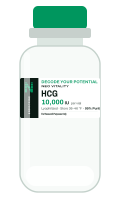
HCG
Research summary
Human chorionic gonadotropin (HCG) is a glycoprotein hormone, naturally produced by placental tissue during pregnancy, studied clinically for its role in ovarian and testicular function, including stimulating the corpus luteum and supporting gonadal hormone production.
In reproductive-medicine research, HCG is a long-established component of ovarian stimulation protocols; studies adding low-dose HCG to standard stimulation regimens found less gonadotropin was needed and reported higher fertilization rates. HCG is also used clinically as a pregnancy-test analyte and, in oncology research, as a tumor marker for certain cancers including testicular and gestational trophoblastic disease.
Sources: PMC5454971; PMC2649930; clinical ovarian-stimulation literature. Findings from published research —not a claim about this product, and not evidence of safety or effectiveness for human use.
Decoding the Benefits
- A long-standing, trial-backed component of fertility treatment protocols.
- Added to standard protocols, it's been linked to needing less other medication while improving fertilization rates.
Customer reviews
More in Endocrine